





By Michael Wynne
To quote the late great Will Rogers, “I never met a man (or woman) I didn’t like.” And that is so true, especially of the people of Cenla. I just love the spirit of the great women and men of Cenla, and especially love meeting new people or recalling friends here from the past. The late Reverend C. J. Bell was a friend from my work years ago when he served on the La. Pardon Board.
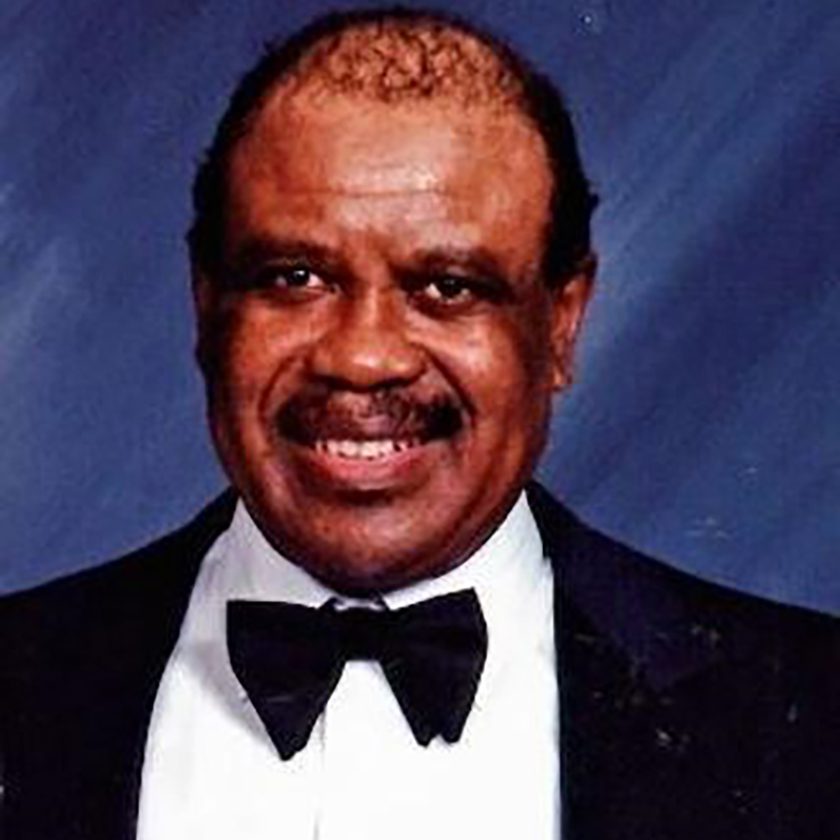
Today, I will honor the memory of the late Reverend C. J. Bell. Recently, I had the pleasure of spending time with his wonderful wife, Lillian Bell, and his step-daughter, the delightful Jennifer Price, at Lillian’s home on Hebert Street, off of Texas Avenue in Alexandria. I was there helping them rescue the historic memorabilia of Alexandria’s legendary “black” newspaper, the Alexandria News Weekly, as well as that of C. J.’s important career. For those of you who may not recall C. J., here is his summary story.
Reverend Clarence Joseph Bell (1932-2018), a native of Oakdale, attended the then-segregated Allen Parish Training School in his early years. After graduating, he served in the Army from 1957-1961. Upon return to La., he attended Leland College and later the Theological Seminary in San Francisco.
C.J. felt his calling to preach at an early age. When he was only 13, he began preaching the Gospel to his own family members. After his ordination, he first served as minister of the Starlight Baptist Church in Oakdale, followed soon by ministering at the Progressive Baptist Church, located on 3rd Street in Alexandria, in 1965. He served Progressive as its pastor for over a half century.
In my studying of C. J.’s surviving archive, I learned of the way that he prepared his sermons. For each Sunday sermon, he would devote a separate vanilla folder to it and would find and attach newspaper and magazine clippings to it as his sources of inspiration and for quotes for his sermon. Then he would begin hand-writing an outline of his sermon, possibly then followed by a hand-written draft of his talk. In my reading of his various sermons that ranged from spiritual matters to his speaking of local people, such as speaking about the late attorney Camille Gravel, each talk had a hidden guiding lesson, a role-model talk of what we all, regardless of race, creed or gender, should be doing with our lives.
C. J. became the voice of the African-American people in Cenla, so much so that he also became the editor/publisher of the Alexandria News Weekly. This “Little Man with the Big Message,” as he became known, was known and respected around Louisiana and the South for his advocacy for the people. When Governor Edwin Edwards came to town, C. J. was often his first stop to visit. In fact, when Progressive Baptist Church celebrated a milestone birthday, Governor Edwards came here in person to celebrate along with his friend.
Many others who came here sought after C.J.’s guidance and friendship. They included heavy-weight boxing champions Mohammad Ali and George Foreman. But C. J. ministered to all, regardless of their station in life.
C. J.’s wisdom was so widely regarded that he was appointed by three very different governors to serve on the important Louisiana Pardon Board as Vice-Chairman. This board literally determines and recommends whether inmates face the death penalty or will receive a lesser sanction, by the Board’s recommendation to the sitting governor. The board also determines whether inmates should have their sentences reduced. Few people carried such a heavy responsibility so well as C.J. did. This is where I got to know C. J., back when I was a State Probation and Parole Officer for adult offenders.
Lillian said to me of her late husband, “He promoted the black community. He was a great minister and truly a great man.” I thoroughly agree.