




By Jeanni Ritchie
There’s something about Baton Rouge that feels cinematic.
Maybe it’s the way the Mississippi River cuts through downtown, or how historic buildings sit just blocks from modern spaces. Maybe it’s the rhythm of the city itself—part politics, part culture, part everyday life—all unfolding at once.
Or maybe it’s because, on this particular visit, it actually was a movie set.
While I was in Baton Rouge, crews were already moving in for the upcoming Amazon MGM Studios production Ally Clark, transforming parts of downtown into a working film location. Streets were lined with equipment trucks, parking lots were reserved for production crews, and the quiet hum of preparation carried through the city. Everyone was looking for a glimpse of Viola Davis!
It didn’t take much imagination to see why they’d chosen our state capital for the setting.
Baton Rouge offers something filmmakers are always looking for: variety.
Within a few walkable blocks downtown, you can move from riverfront views to government buildings, from historic landmarks to theaters and restaurants, each with its own distinct personality. That kind of range makes it easy to tell multiple stories without ever leaving the city.
And for visitors, it makes for an equally dynamic experience.
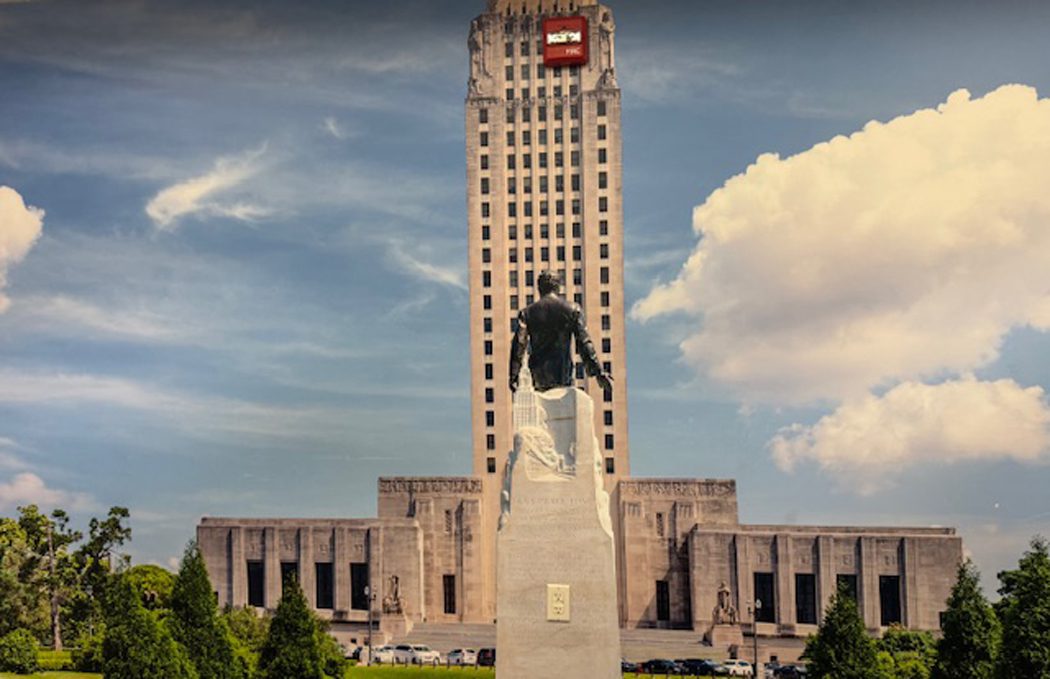
I spent much of my time exploring downtown on foot, taking in the layers that make Baton Rouge feel both grounded in history and alive in the present. The Old State Capitol—often called the “Castle on the River”—adds a dramatic architectural backdrop, while nearby streets are filled with local restaurants, public art, and everyday movement.
The arts scene plays a major role here, too.
Manship Theatre, located in the Shaw Center for the Arts, anchors a cultural hub that brings performances, exhibits, and creative energy into the heart of downtown. During my visit, I attended a Lightwire Theatre production of The Ugly Duckling that was both visually striking and emotionally powerful—a reminder that Baton Rouge doesn’t just host art, it invests in it.
And then there’s the food.
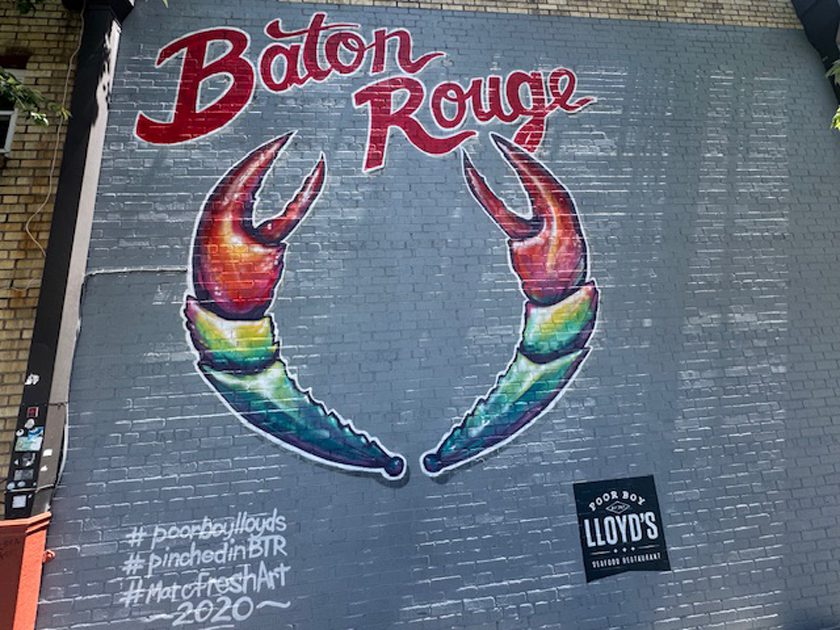
From longtime favorites to destination dining, Baton Rouge delivers the kind of meals that stick with you long after the trip ends. Whether it’s a casual lunch at a local staple like Poor Boy Lloyd’s or a sit-down experience at a place like Capital City Grill, the city’s culinary scene reflects the same mix of tradition and personality found everywhere else.
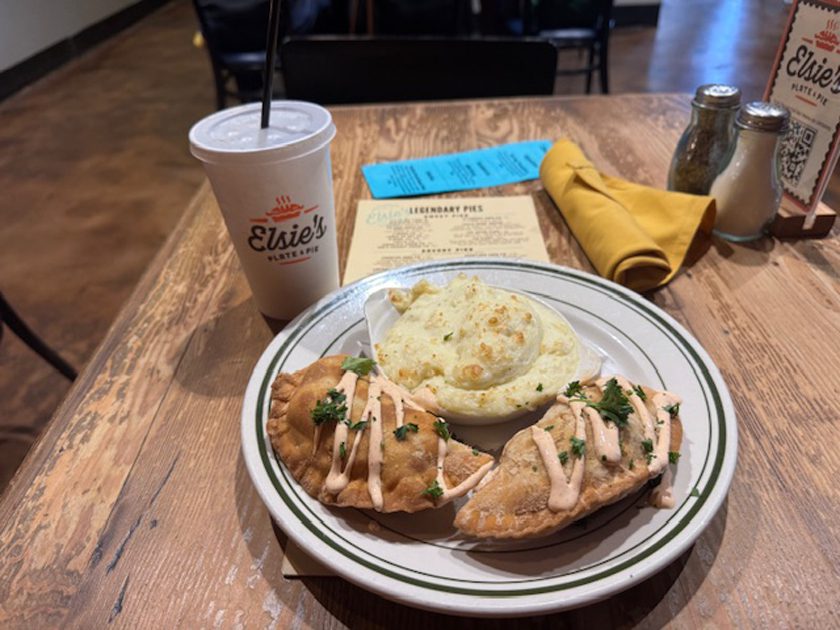
One restaurant was worth getting my car back from valet—Elsie’s Plate and Pie. I discovered why the Michelin-recommended restaurant tops nearly every dining list in the Red Stick. I will return on every visit until I’ve tried the entire menu.
Even the hotels contribute to the experience.
Staying downtown meant waking up to river views, stepping out into the middle of the city’s activity, and returning at the end of the day to spaces designed for both comfort and productivity.
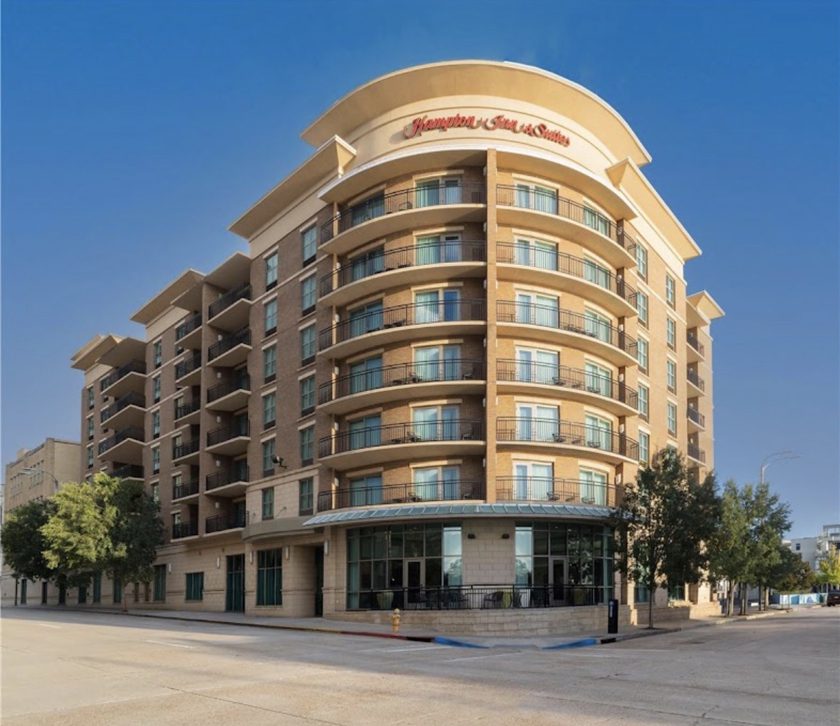
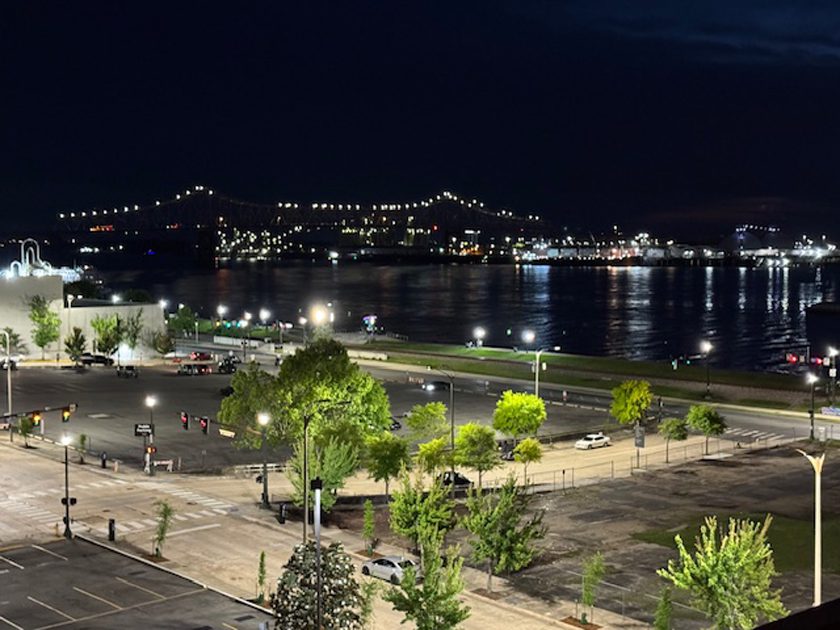
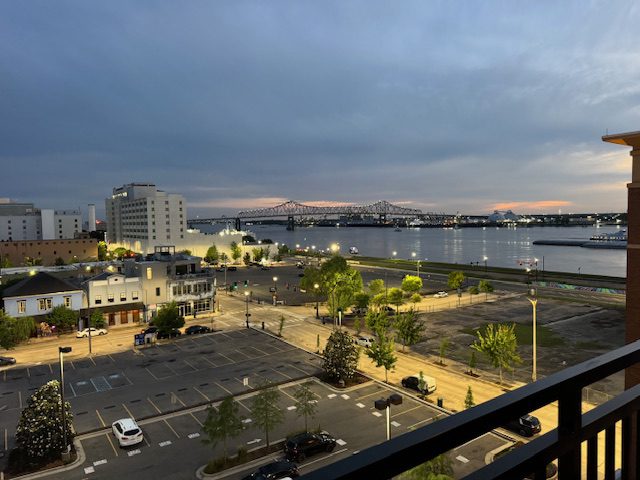
My top floor suite at Hampton Inn and Suites Downtown Baton Rouge had a balcony view of the Mississippi River that was the perfect way to begin and end each day.
The balcony overlooking the film shoot from my Courtyard by Marriott Downtown BR room was just as luxurious.
Both hotels had that urban energy with Southern comfort. The kind of lodging that works just as well for travelers as it would for a film crew calling the city home for weeks at a time.
Because that’s the thing about Baton Rouge—it adapts.
It can be a working city, a creative space, a historical landmark, and a film set all at once.
And for a few days, it was all of those things for me.
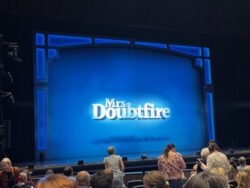
From checking out an America 250 display on loan from the National Archives to catching a side-splitting touring production of Mrs. Doubtfire at the Raising Cane River Theatre with a friend, Baton Rouge proved itself to be more than my childhood trips to visit my grandparents.
It’s a city where stories are constantly unfolding—on stage, on screen, and in real life. While it’s been a part of my story since before I was even born, on this trip I discovered more of the city than I ever had before.