




By Michael Wynne
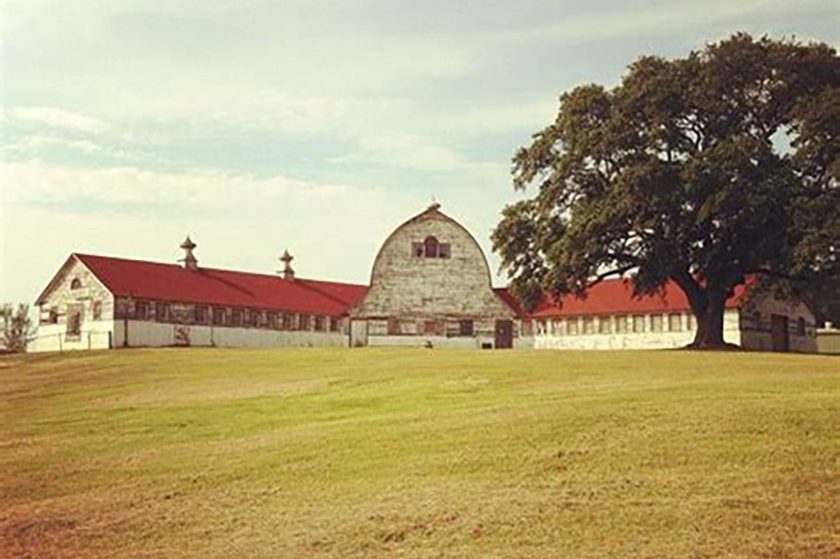
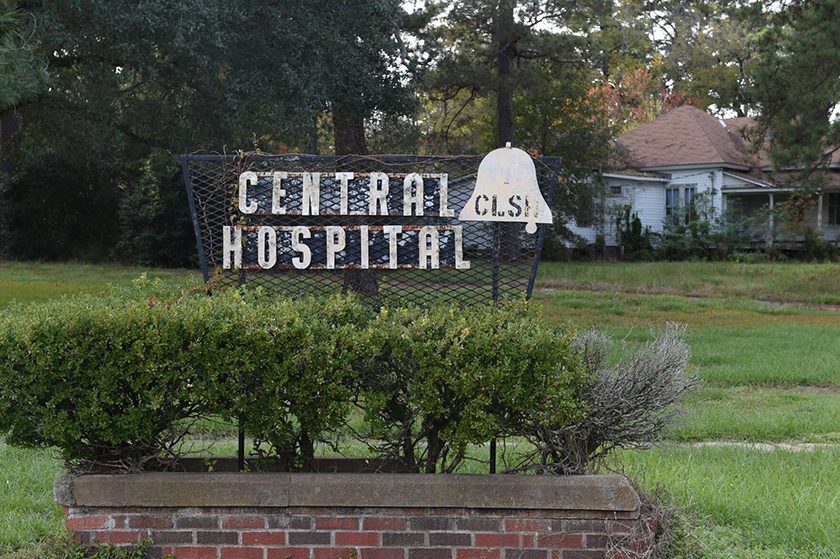
The historic Central Louisiana State Hospital (CLSH) and its grounds are unlike anything else in Louisiana. They are truly historic and very much worth preserving, but they are at the same time an active institution devoted to “….caring for persons with mental illness utilizing the ‘best practices’ available….” CLSH is also the largest historic site in central Louisiana, one of the most endangered, and generally unavailable for tourists to visit. It is everything a historic site really shouldn’t be, but is.
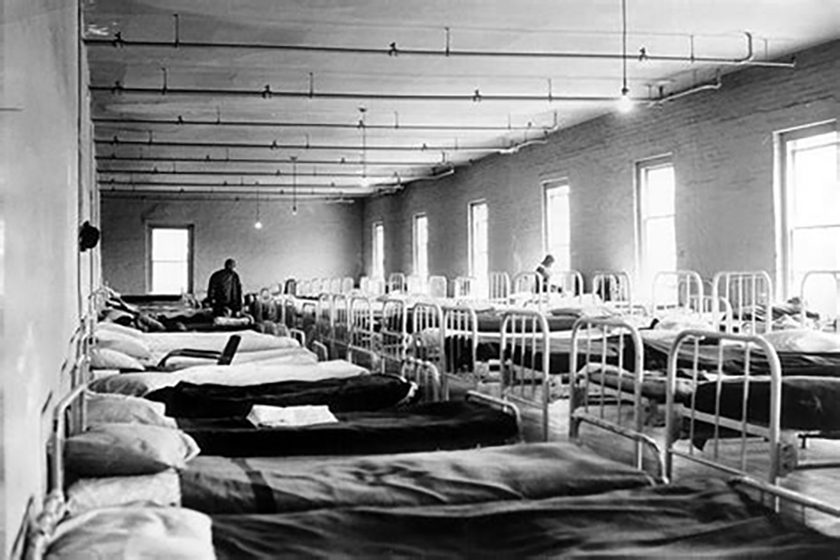
I could devote several columns to CLSH and have already written a separate column about CLSH’s “Old Dairy Barn.” CLSH, then called the Insane Asylum, was authorized by legislative act in 1902 originally to just house “colored people” as East Louisiana State Hospital in Jackson, created in 1848, then housed all of the “white people” in the state needing treatment. But in 1904, the Act was amended for CLSH to house all people needing treatment. Initially, CLSH was planned to be located where the Pineville VA Hospital is now located, but the present site of 200 acre was instead purchased and construction began in 1903. With a beginning population of 307 in 1906, the population peeked in 1959 with 3,128 and has gradually declined since that time to 132 as shown in records in 2005. Although CLSH was primarily a psychiatric institution for the treatment of mental diseases back then, it also had at one time a general hospital for the treatment of the acute medical and surgical cases from among the population.
Sadly, none of the many buildings originally built in 1906 survive today. The oldest of the surviving buildings and likely the most important historic building on the property today is a building now called the “Rose Cottage.” Built as a pathology laboratory, this simple structure features two major rooms and a stairway on the ground floor, with a single long room on the upper floor. The Rose Cottage features the most historic correct styling of any of CLSH and Pineville’s older buildings. Designed by Joseph Carlin, the same man who designed the old Dairy Barn, the Rose Cottage was built in 1917. Best known now as the former morgue for CLSH, it stands as a beautiful example of what a governmental building can look like and a reminder of what the many demolished buildings may have been like in the early part of the 20th century. The other older surviving buildings at CLSH in order of their age are: the Dairy Barn (1923), the Administration Building and the Henry L. Fuqua buildings (both in 1927) and Unit 3 (1937). All of the large apartment buildings in the Forest Glen area of the hospital were built prior to World War II in 1940 and are also still with us.
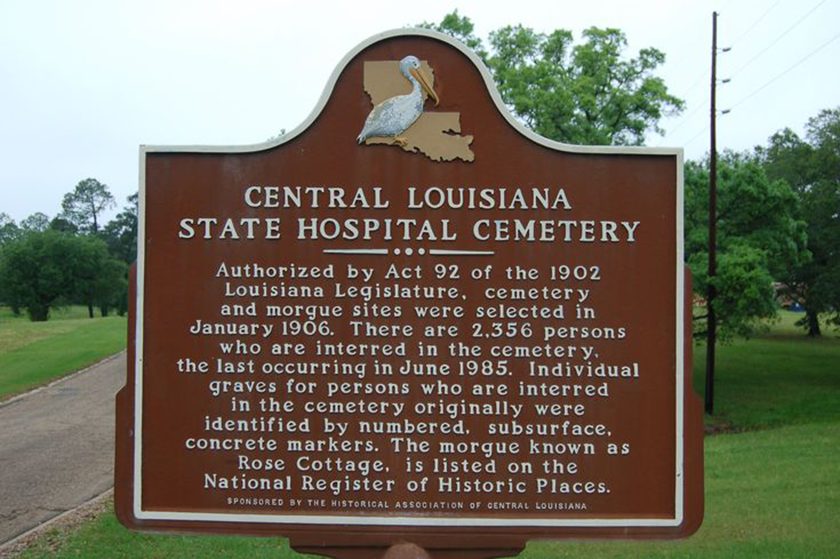
The other historic site that I have space to mention here in this column is the CLSH cemetery. Technically, it is the only original 1906 CLSH project left as was designed and built then. In fact, six patients were interred there in 1906. As of 1985, when the use of the cemetery officially ended, there were 2,356 graves there making it one of the largest and most important cemeteries in all of CENLA. But unlike typical cemeteries we see, the vast majority of the graves here have no visible head stones marking the graves. All of the coffins, shrouds, the digging of the graves, and transportation of the bodies, everything was done by the CLSH staff.
We cannot afford to lose any more of our unique CLSH history. One day this site and all of the people who lived and worked here will be truly appreciated and remembered for their important legacy in central Louisiana.