By Michael D. Wynne
David Holcombe is known all over for so many things: an outstanding practitioner of the medical arts, an author, a playwright, a cultural supporter (along with his wife Nicole) of the Czech community, a philanthropist (again, along with his wife Nicole), a cultural ambassador for central Louisiana, a community leader and organizer, and a collector of the fine arts and curiosities. Quite frankly, a book could (and should) be written on his life.
This columnist has previously touched on his accomplishments in my columns (March 2019), as well as the many accomplishments of his wife Nicole (August 2023). So, I thought that I would I would just let David speak here on his art and art in general.
(MW) David, with all that you have going on, why did you ever choose to pick up the brush also?
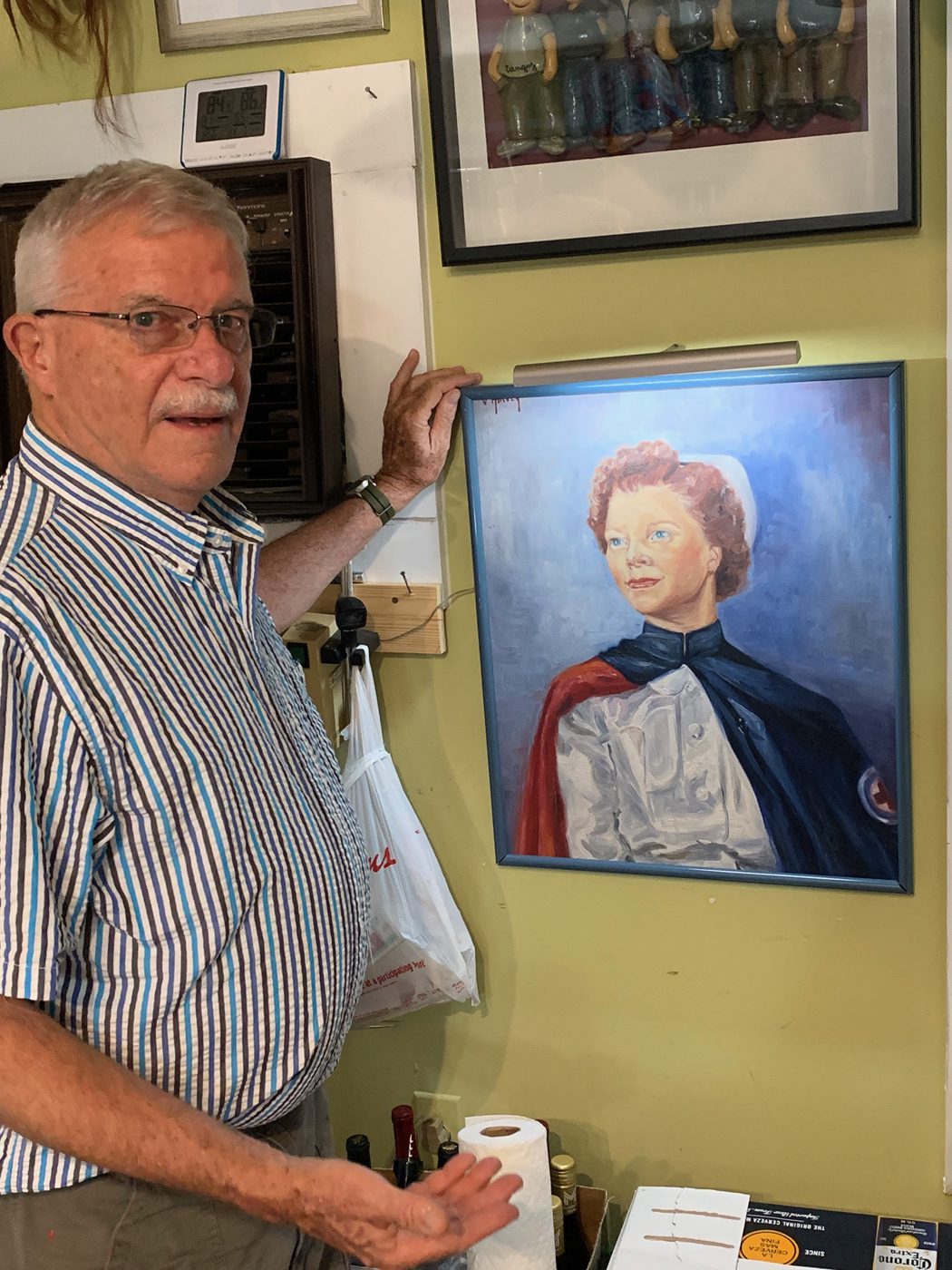
(David) It’s simply genetic. My mother was very talented in art. She had a sketch book full of anatomical drawings of animals and human beings and their musculature. But my great uncle, Eli Harvey (1860-1957) of Washington Courthouse, Ohio, became a national renown animal sculptor. My mother inherited that same artistic gene and was an excellent painter who also created beautiful mosaics. So, I started drawing at a very early age and she encouraged me.
The best example of that was when she enrolled me in art classes (as an adolescent) and one of those was life drawing (nude) classes. So, at the age of 13, I’m sitting there with all adults drawing naked models, and I found that perfectly normal (laugh). I later took art classes in high school and some in college too. I found that to be a wonderful experience.
When I attended the University of California at Davis, there was all these famous people (artists). I started (drawing and painting) agricultural fields as well abstracts there.
I then went to Gainesville (University of Florida) and continued drawing there while studying Poultry Science. I ended up going to medical school in Belgium and created a whole series of pen and ink drawings with water color washes done over there. Because I was so poor, I sold my drawings in the market to have some money. I did sell quite a few – all scenes of Brussels … and one actually ended up in the Royal Collection of King Baudouin.
After medical school, residence and the first years in Alexandria were extremely difficult, so I quit painting for a while. I picked up art again in the 90s when I had a bit more time.
(MW) Was painting a way to relieve the stress of day-to-day work?
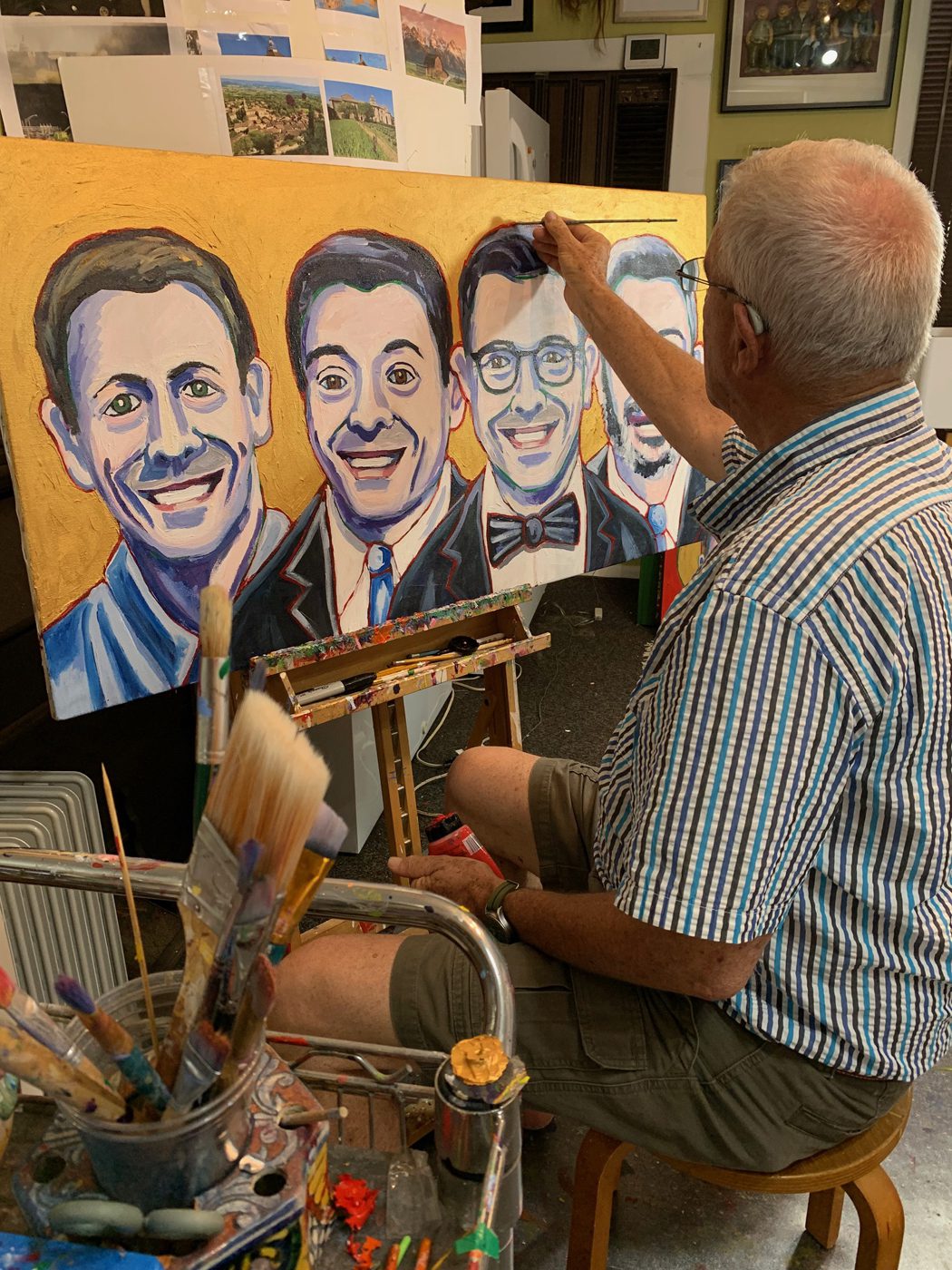
(David) Actually, painting is work itself, but a different kind of work. Painting takes you into another realm. People who are real artists, don’t care if they sell or don’ sell, they just want to create. It’s like Van Gogh; he didn’t sell a damn thing, but he never stopped painting. It was a passion for him and all artists. I think I am more stable than Van Gogh, being able to balance art and a professional career. So, somebody who has those creative genes and creative impulse, they are going to create, whether they are recognized in their lifetime or not. In that way, artists are like writers. A writer is somebody who writes, not necessarily someone who publishes or sells.
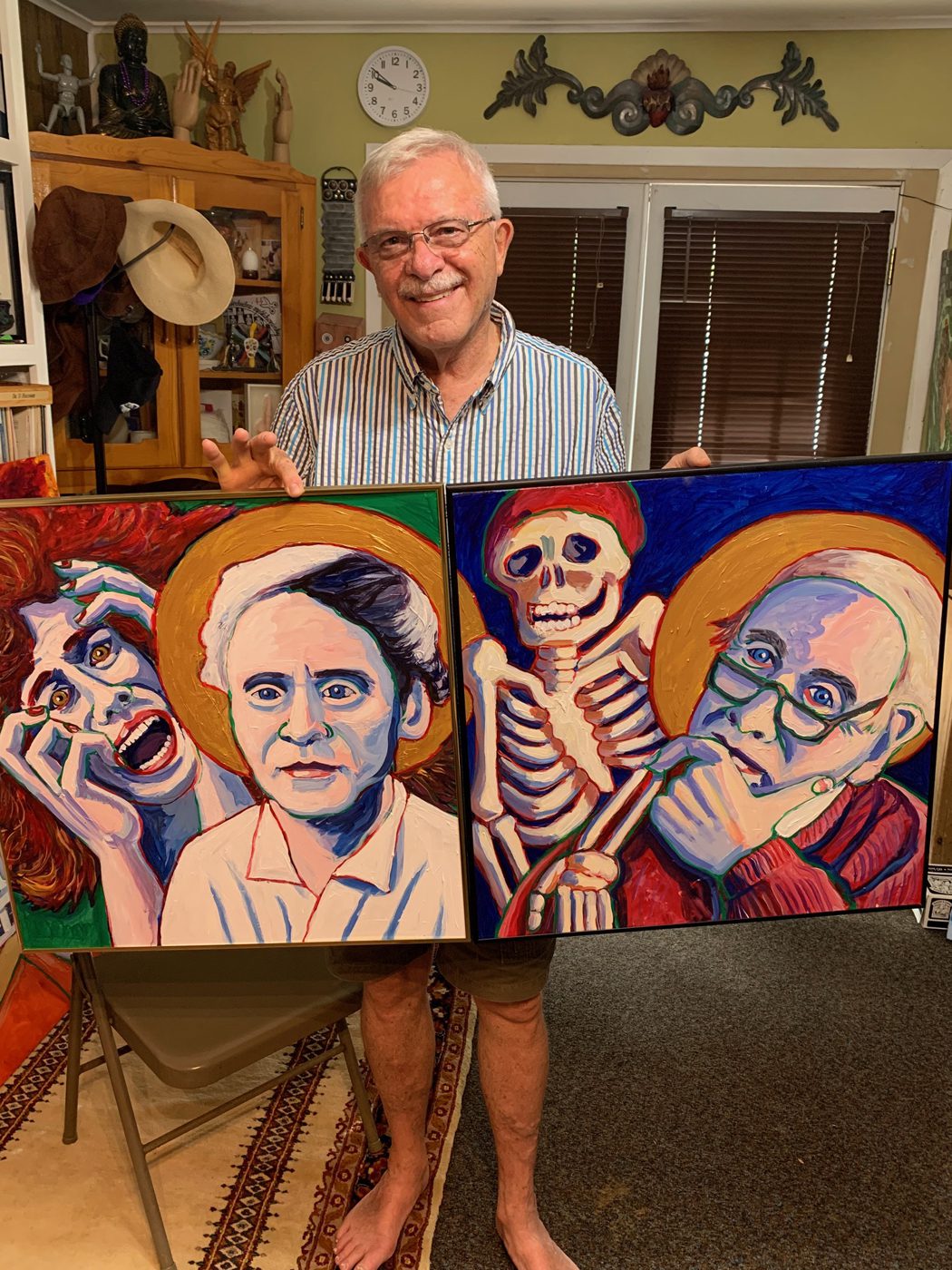
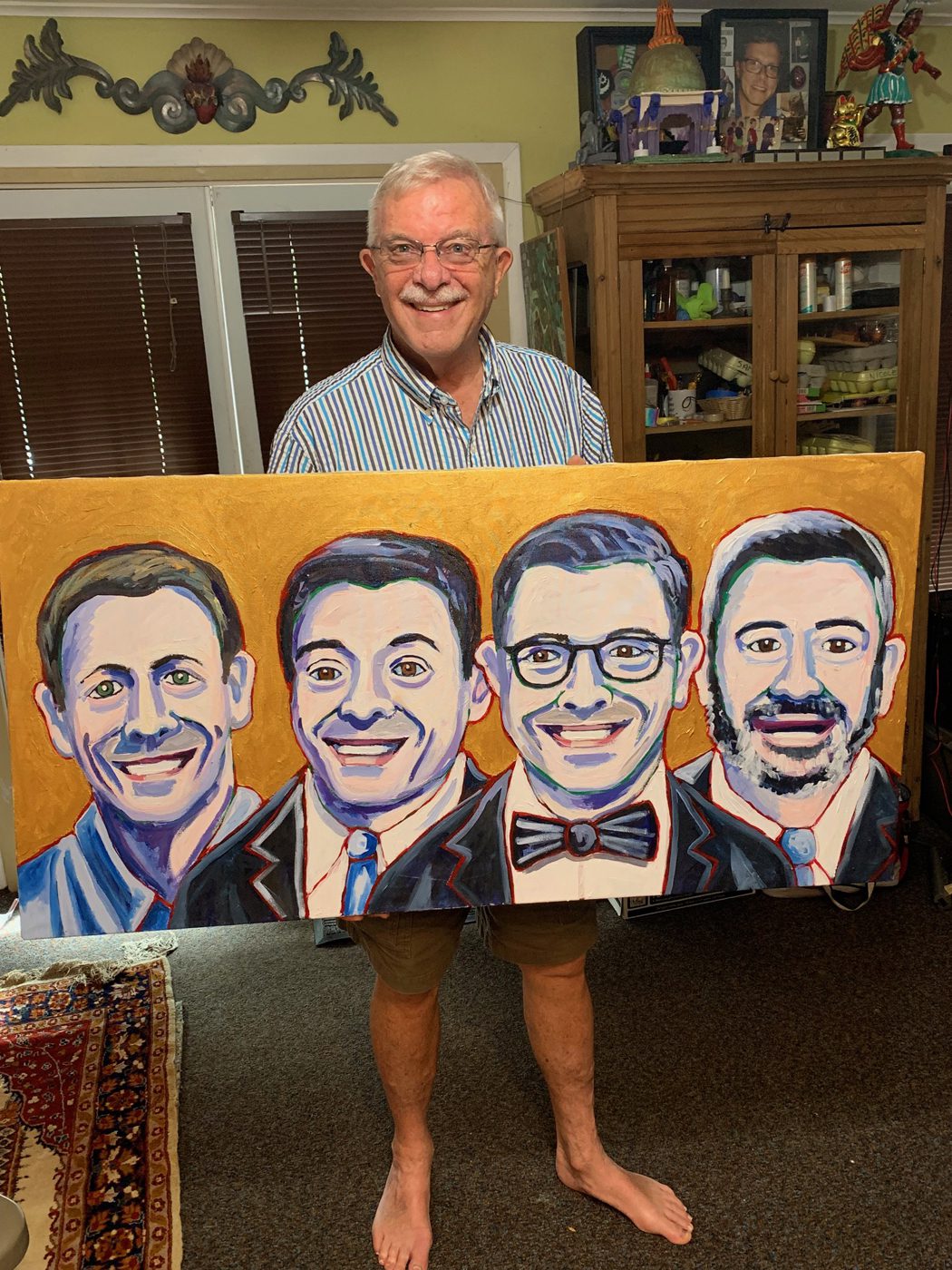
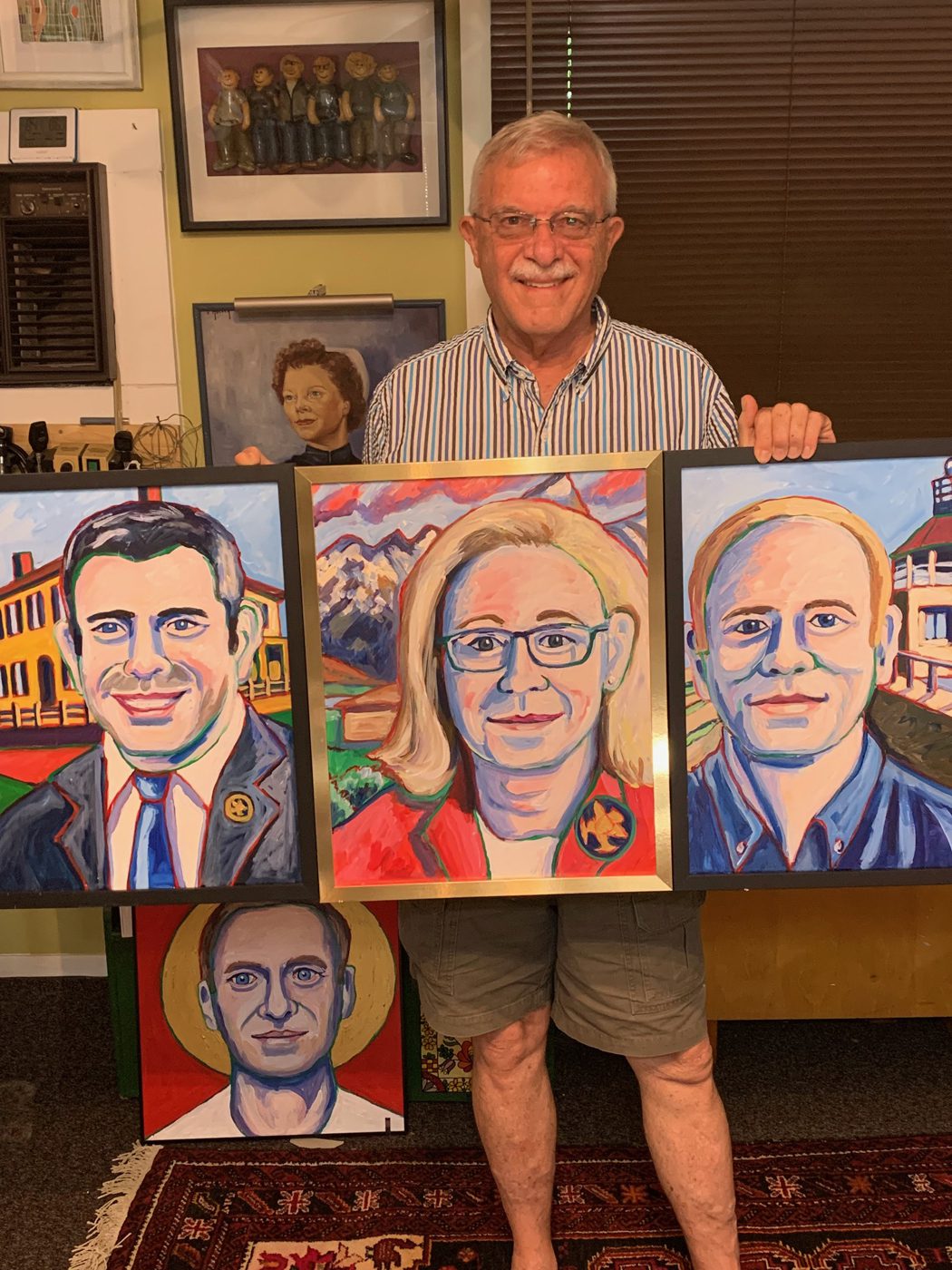
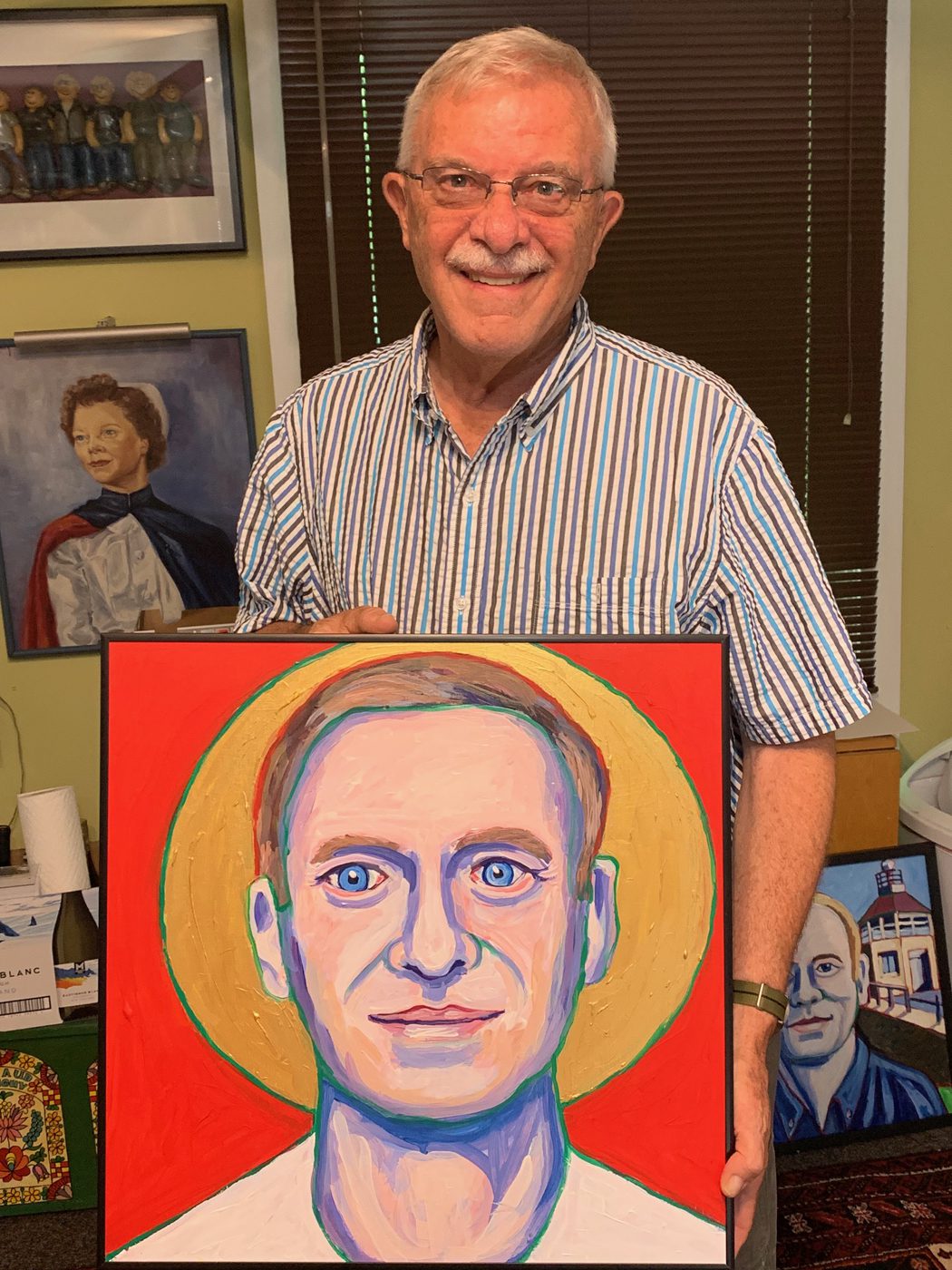
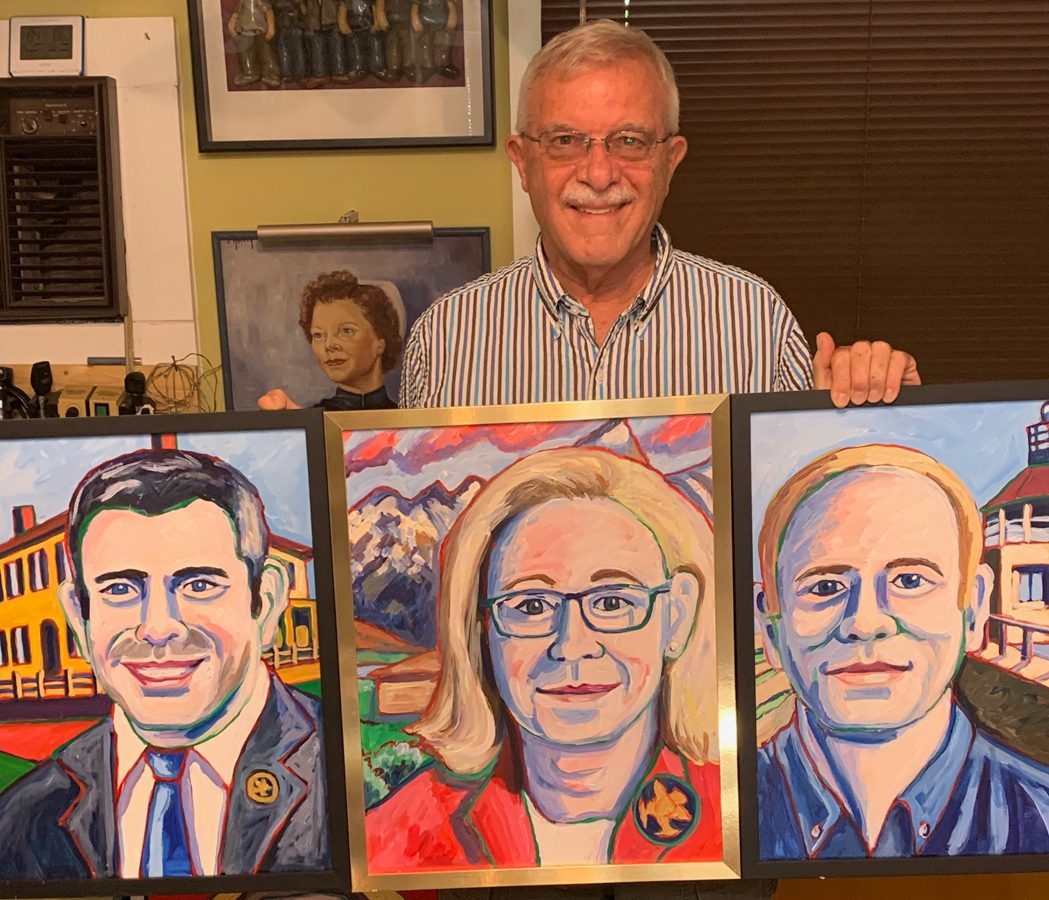
My early drawings were generally not politically themed. That changed when I got back in the United States. I was also able to buy better painting equipment, including real canvases. My landscapes were usually very popular, but my portraiture is extremely personal, and can sometimes be considered extremely political. In that respect, the artist has the privilege of being able to choose his subjects (unless they are commissions) who are immortalized in his paintings. They say of writers, the spoken word can pass away, but the written word lasts forever. For paintings, it is the same, the artists passes away, but their works remain (although perhaps not forever).